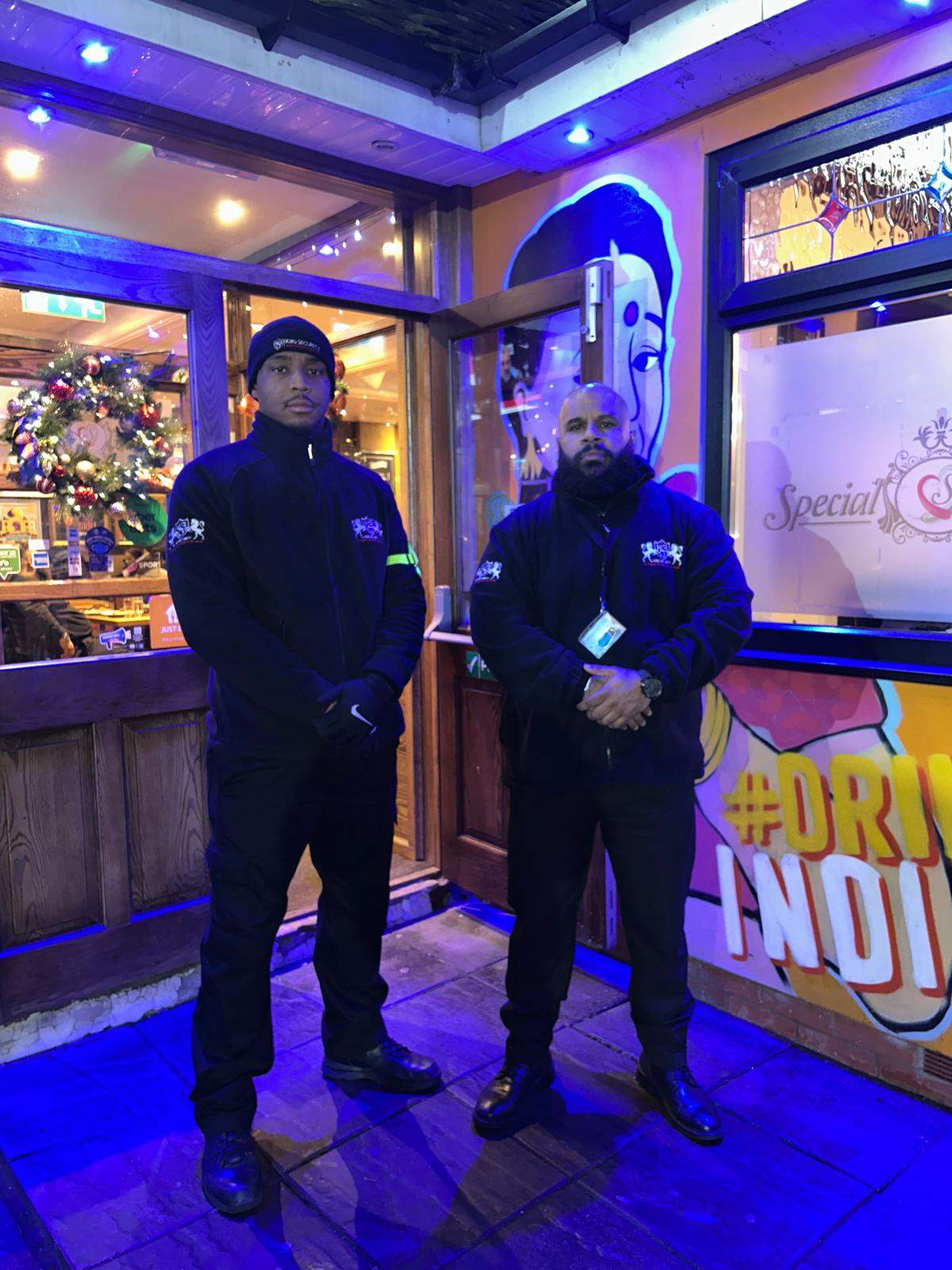
A security guard licence covers guarding property and people on sites such as offices, warehouses and construction sites. A door supervisor licence covers that work too, and also allows security work at licensed premises such as pubs, bars and clubs while they are open. If your venue sells alcohol or puts on regulated entertainment, you need door supervisors.
Why the licence type matters
In the UK, most contract security work is regulated by the Security Industry Authority. Doing licensable work without the right licence is a criminal offence, and so is knowingly supplying someone who does not hold one. That applies to the security company and, in some circumstances, to the business that hires them.
Buyers often use "guard", "bouncer" and "door staff" interchangeably. The SIA does not. The question is not what the person is called but what activity they are carrying out and where.
Using someone without the right licence for licensable work is an offence under the Private Security Industry Act 2001. The SIA can prosecute individuals who work without a licence and businesses that supply or use unlicensed staff. For a licensed venue, it can also put the premises licence at risk, because police and licensing officers check door staff during visits.
There is a practical cost too. An officer with the wrong licence has not had the right training for the environment. A security guard placed on a busy club door has not been trained in the same depth on conflict, physical intervention or licensing law, and that shows when a night goes wrong.
If a contractor offers to cover a door with guarding licensed staff to save money, say no.
The main SIA front line licences
These are the licence types a buyer is most likely to come across. The SIA website lists each one and the work it covers.
- Security guarding: guarding premises, property or people against theft, damage or unauthorised access.
- Door supervision: security work at licensed premises when they are open to the public, plus the activities a security guard can do.
- Public space surveillance (CCTV): monitoring CCTV under contract to watch the public or identify people.
- Close protection: guarding a person or people against assault or injury.
- Key holding: keeping keys and responding to alarms or other calls to a site.
- Cash and valuables in transit: moving cash or valuables in a secure vehicle.
What a security guard licence allows
A security guard can carry out static guarding, patrols, gatehouse and access control, reception security and similar work on most commercial sites. Typical roles include office receptions, distribution centres, construction sites, retail stores and empty buildings.
What a security guard cannot do is carry out security activity at licensed premises during licensable hours. If a bar or club is open and serving, a security guard licence is not enough for anyone controlling entry or dealing with customers.
What a door supervisor licence allows
A door supervisor licence covers security work at licensed premises: checking ID, searching, controlling entry, dealing with conflict, managing queues and handling ejections. Door supervisors also cover events where alcohol is sold under a premises licence or temporary event notice.
The door supervision licence also allows the holder to work as a security guard and key holder. That is why many companies, including ours, deploy door supervisor licensed officers on general guarding contracts as well. Door supervisor training goes further on conflict management, physical intervention and safety at licensed premises.
Licensed premises rules buyers should know
Licensed premises are a special case in two ways. First, the type of licence required is door supervision, not guarding. Second, the in-house exemption that applies to some other security work does not generally apply to door supervision at licensed premises. A pub that employs its own door staff directly still needs them to hold SIA door supervisor licences.
Your premises licence may also include conditions about door staff, such as minimum numbers at certain times, the use of body worn cameras or the keeping of an incident log. Read your licence before you book. If your door team is short of what the licence says, it is your licence at risk.
Which licence for events, retail and shopping centres?
For most events with a bar, door supervisors are the right choice for search and entry points, with stewards for wayfinding and crowd movement. For a shop or shopping centre without a premises licence, security guards are normally appropriate, though some retailers prefer door supervisors for their conflict training. Where a store has an alcohol licence, take advice on whether the security role falls within licensable activity.
How to check an officer’s licence
Every licence holder appears on the SIA public register of licence holders, which anyone can search on GOV.UK using the licence number. Front line officers should normally wear their licence where it can be seen. Check:
- The licence is current and not suspended or revoked.
- The licence type matches the work.
- The photo matches the person in front of you.
- The expiry date covers the period of the booking.
CCTV, key holding and close protection licences
If your contractor monitors your cameras from a control room to watch for intruders or identify people, the operators generally need a public space surveillance (CCTV) licence. If the same company holds your keys and attends alarms, the officers need a licence that covers key holding, which a security guarding or door supervision licence does. Close protection is a separate licence with its own training, for protecting individuals rather than sites.
When you receive a proposal that combines several services, ask which licence each role requires and confirm that the people doing the work hold it.
Getting the right licensed officers through KBG
KBG Security Solutions is an SIA Approved Contractor for both security guarding and door supervision, reference KBGSECSC01. We check every officer’s licence before deployment and match the licence to the role. Door teams for pubs, bars and venues are run from our West Bromwich head office with a 24 hour control room behind them.
If you are unsure which licence your site needs, we will tell you during a free site survey. Call 0845 388 0348.