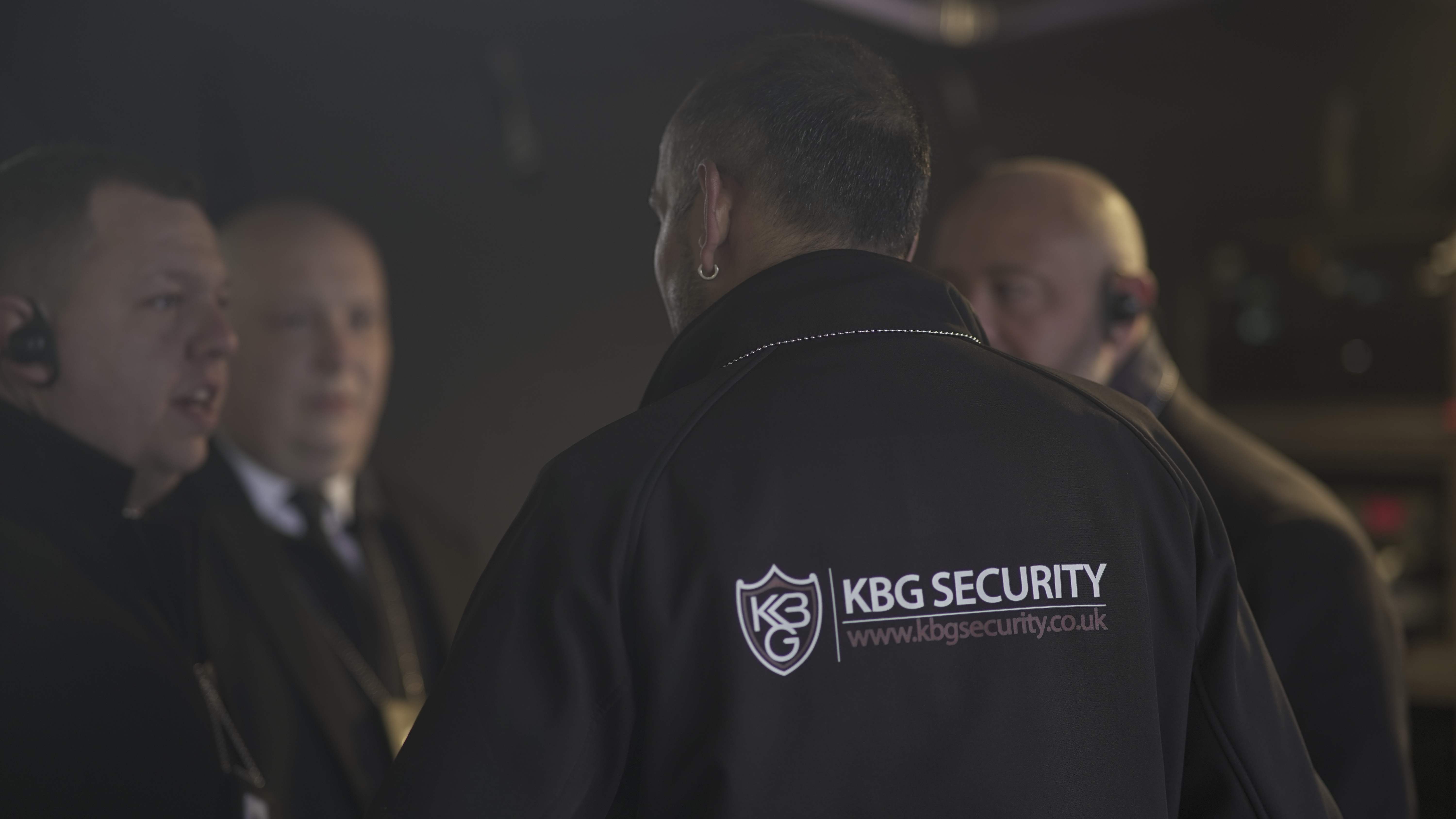
Pub and nightclub security in Birmingham is built around the four licensing objectives and the conditions on your premises licence. In practice that means SIA licensed door supervisors in the right numbers, proper search and ID checks, a refusal and incident log, a plan for dispersal at closing, and good links with police and other venues. Get those right and your licence, staff and customers are protected.
The licensing objectives behind door security
Every premises licence in England and Wales is granted with the four licensing objectives in mind, and every decision your door team makes should support them:
- The prevention of crime and disorder.
- Public safety.
- The prevention of public nuisance.
- The protection of children from harm.
Know your premises licence conditions
Many Birmingham venues have conditions about door staff. They may set minimum numbers on certain nights or after a certain time, require door staff to wear body worn cameras, require use of an ID scanner, require a search policy, or require an incident log to be kept and shown on request. Some conditions refer to specific areas such as smoking areas or queues.
Read your licence and share the relevant conditions with your security provider in writing. Door staff should know the conditions as well as the manager on duty does. A breach of conditions can lead to a review, and a review can lead to reduced hours or the loss of the licence.
Refusal logs and incident logs
A good log is your best defence when something goes wrong. Record every refusal of entry or service, every ejection, every use of force, every injury, every drug find and every call to police or ambulance, with the time, the staff involved and a short factual account.
Refusal logs also matter under the licensing objective about protecting children. Recording when ID was asked for and when someone was refused shows a working Challenge 25 or similar policy. Logs should be kept securely, written up straight away and available to police and licensing officers when asked.
Door team duties on a busy night
A well run door team does far more than stand at the entrance:
- Managing the queue and keeping the pavement clear.
- Checking ID and refusing entry to anyone underage or too drunk.
- Searching on entry in line with your search policy.
- Watching the floor for early signs of trouble, drink spiking or vulnerability.
- Handling ejections calmly and with the least force necessary.
- Looking after vulnerable customers rather than putting them out alone.
- Recording incidents and passing information to police where needed.
Dispersal and closing time
Closing time is when much of the nuisance and violence around licensed premises happens. A dispersal plan should cover the last hour of trade, gradual changes to music and lighting, door staff positioned outside to move people on politely, and steps to keep queues for taxis from spilling into the road. In busy areas, working with neighbouring venues and street teams helps keep the area calm.
Door staff should not stop caring about customers the moment they step outside. A drunk or vulnerable person left alone on the street is still a risk to them and to your licence.
Best Bar None and Pubwatch
Best Bar None is a national accreditation scheme, supported by the Home Office and the drinks industry, that recognises responsibly run licensed venues. It assesses areas such as door management, drugs policy, welfare and safeguarding. Birmingham has its own Best Bar None scheme, and taking part shows the licensing authority and police that you take the objectives seriously.
Pubwatch and similar schemes let licensees share information about people who cause trouble and agree shared bans. Your door team should know who is barred and how that information is shared.
Birmingham nightlife areas and their challenges
Every part of the city has its own character, and door teams should be briefed for the area as well as the venue:
- Broad Street: high footfall, large venues, stag and hen groups and heavy taxi demand at closing.
- Hurst Street and the Gay Village: busy, close packed venues with a strong focus on welfare and inclusion.
- Digbeth: warehouse venues, live music and late events, often with queues and searches at scale.
- Jewellery Quarter: smaller bars and restaurants, with residents close by and noise a key concern.
Drugs, searches and welfare
A clear search policy protects your door team and your licence. It should say who is searched, how, what happens to items found and how drugs are stored and handed to police. Door staff should search in view of cameras where possible, with a member of the same sex searching where practical, and record what they find.
Welfare matters as much as enforcement. Door staff should be trained to spot drink spiking, vulnerability and people who have become separated from friends. Schemes such as Ask for Angela give customers a discreet way to ask for help. A vulnerable customer helped into a taxi is a far better outcome than one walked off the premises alone.
Door supervisors for Birmingham venues from KBG
KBG Security Solutions supplies SIA licensed door supervisors to pubs, bars and clubs across Birmingham from our head office in West Bromwich, about seven miles from the city centre. We are an SIA Approved Contractor for door supervision and security guarding, reference KBGSECSC01, and we work with operators including Stonegate Group. Our door teams keep written incident records, supervisors visit venues, and our 24 hour control room supports them through the night.
We will visit your venue, review your licence conditions and recommend staffing after a free site survey. Call 0845 388 0348.