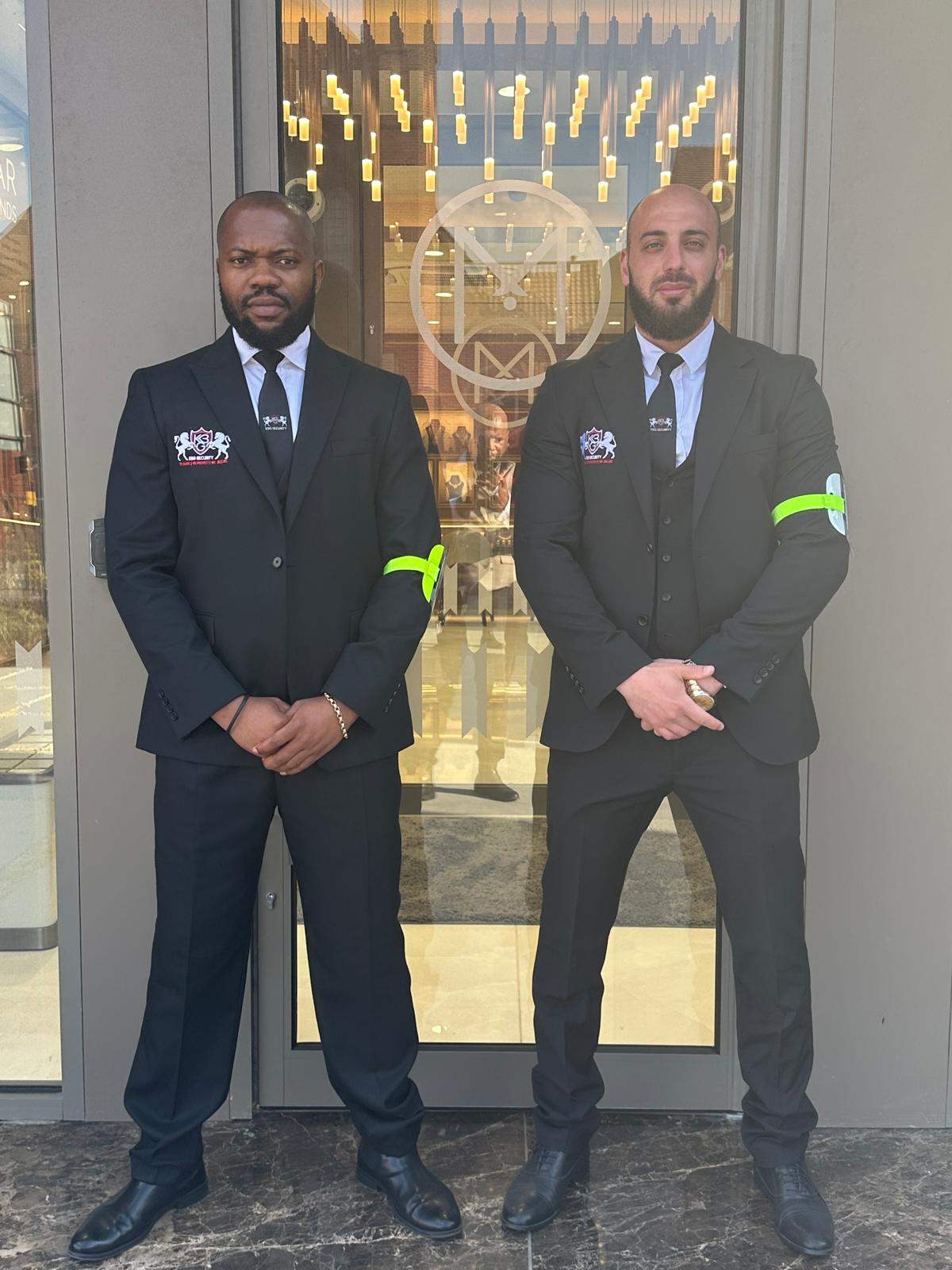
Close protection is worth considering when there is a specific, credible threat to a person, when someone’s public profile or wealth makes them a target, or when they are travelling, attending events or dealing with a hostile situation. A close protection officer plans routes and venues, manages who gets near the client and moves them away from trouble early. In the UK they must hold an SIA close protection licence.
What is close protection?
Close protection is the protection of a person rather than a place. The aim is to keep the client safe and let them carry on with their life or business with as little disruption as possible. Films show bodyguards fighting their way out of trouble. In real life a good close protection officer spends most of their time planning so that trouble never gets close.
The work includes advance visits to venues, route planning, liaison with venue security, monitoring the client’s surroundings and making quick, calm decisions about whether to stay, move or leave.
When should you hire a bodyguard?
There is no single trigger. These are the situations where clients most often ask us about close protection services:
- Threats, harassment or stalking, especially if police are already involved.
- A senior executive facing hostile reaction to redundancies, closures or a dispute.
- A public figure, performer or sports personality at an event or appearance.
- High net worth individuals and families travelling or attending public events.
- Witnesses or parties in a sensitive legal or family matter.
- Visiting guests who are unfamiliar with the area and carry a higher profile.
- A one off event, such as a launch or a wedding, where a specific person may be targeted.
Start with a threat assessment
Before anyone is deployed, a competent provider will want to understand the threat. Who might want to cause harm, how capable are they, and when and where is the client most exposed? The answers decide whether you need one officer for a single day, a team over several weeks, residential cover, a driver, or simply better security at home and at work.
Sometimes the honest answer is that close protection is not needed, and that a change in routine, good residential security and a sensible approach to social media will do more. A provider who sells you the biggest team without asking questions is not doing their job.
When a threat affects a family, the plan must work for everyone in it. That can mean school runs, after school activities and ordinary family days out. Officers working around children need to be calm, unobtrusive and fully briefed on safeguarding, and the family should agree in advance how officers will be introduced and how they will interact with the children.
Often the best protection for a family combines a small amount of close protection at the most exposed times with good residential security and sensible changes to routine.
What does a close protection officer do day to day?
A typical day involves far more preparation than confrontation:
- Plans routes, timings, entrances and exits, and alternative options.
- Visits venues in advance and agrees arrangements with their security.
- Stays close to the client in public and watches the people around them.
- Controls who approaches, politely and without fuss.
- Manages vehicle movements and pick up points.
- Keeps the client’s schedule and location confidential.
- Moves the client away from a developing problem before it becomes an incident.
Licensing and training for close protection
In the UK, close protection carried out under contract is licensable by the SIA. The officer needs a close protection licence, which requires an approved close protection qualification, a first aid qualification, an identity and criminality check, and other SIA requirements. You can check any officer’s licence on the SIA register of licence holders on GOV.UK.
The licence is a minimum. Ask about the officer’s experience, their first aid level, their driving qualifications if they will drive, and whether they have worked in a similar setting.
Discretion and confidentiality
Clients who need protection often need privacy too. Your provider should limit who knows your plans, avoid discussing clients publicly and keep records securely. KBG is ICO registered and handles personal information under UK data protection law. Ask any provider how they store your details and who in the company can see them.
How to choose a close protection company
Before you appoint anyone, ask:
- Is the company an SIA Approved Contractor, and are the officers SIA close protection licensed?
- Will they carry out a threat assessment before quoting?
- Who will be on the team, and can you meet them first?
- What happens if an officer is unwell or a situation escalates?
- How will they work with venue security, drivers and police?
- How do they keep your information confidential?
What affects the cost of close protection?
Close protection is priced around the threat and the plan, so there is no standard rate. The main factors are:
- The number of officers needed, and whether a team leader is required.
- The length of each day and the number of days.
- Whether officers need to travel, stay away or work overnight.
- Whether a security driver or vehicle is required.
- Advance work, such as venue visits and route planning.
- Any residential cover alongside personal protection.
Close protection from KBG Security
KBG Security Solutions supplies SIA licensed close protection officers for executives, performers and private clients from our head office in West Bromwich, with our 24 hour control room supporting each deployment. We are an SIA Approved Contractor for security guarding and door supervision, and our wider team covers residential security, events and venue liaison.
Every close protection enquiry starts with a confidential conversation about the risk. Call 0845 388 0348 to speak to us.