CCTV towers give continuous, lower cost coverage of a construction site and work well when they are monitored with an agreed response. Security guards cost more but can control gates and deliveries, patrol areas cameras cannot see and act immediately. Many principal contractors use both: towers for wide coverage and guards for access control or the highest risk periods.
What is a CCTV tower?
A CCTV tower is a self contained camera unit on a mast or trailer that can be placed anywhere on site. Most run on batteries, solar or a generator, connect by mobile data, and carry several cameras, lighting and a speaker. They can be moved as the build progresses.
The important question is what happens when the camera sees something. A good monitored tower sends an alert to a remote operator, who checks the footage, issues a warning over the speaker, and calls out a response officer or the police depending on what they see.
What does a construction security guard do?
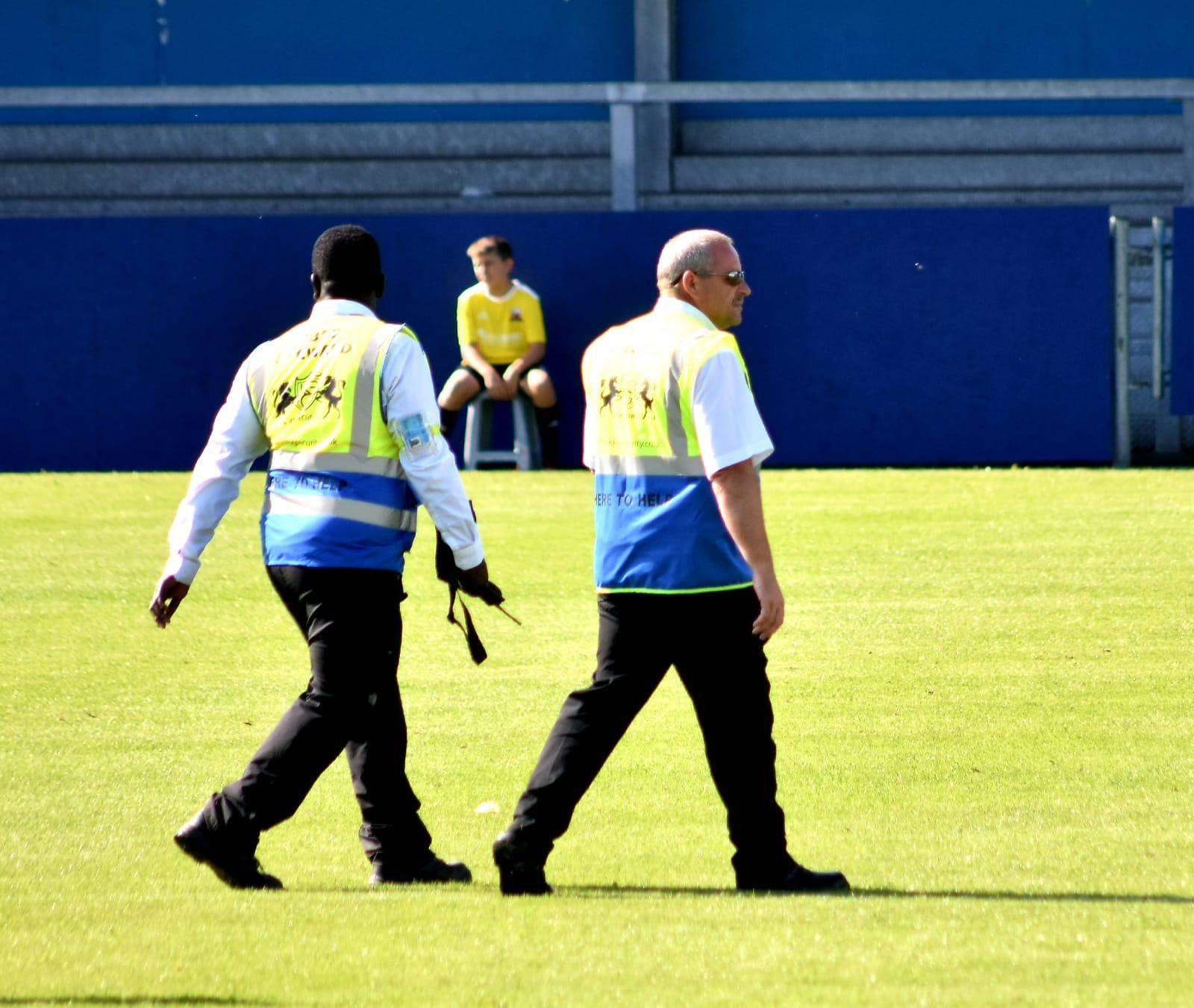
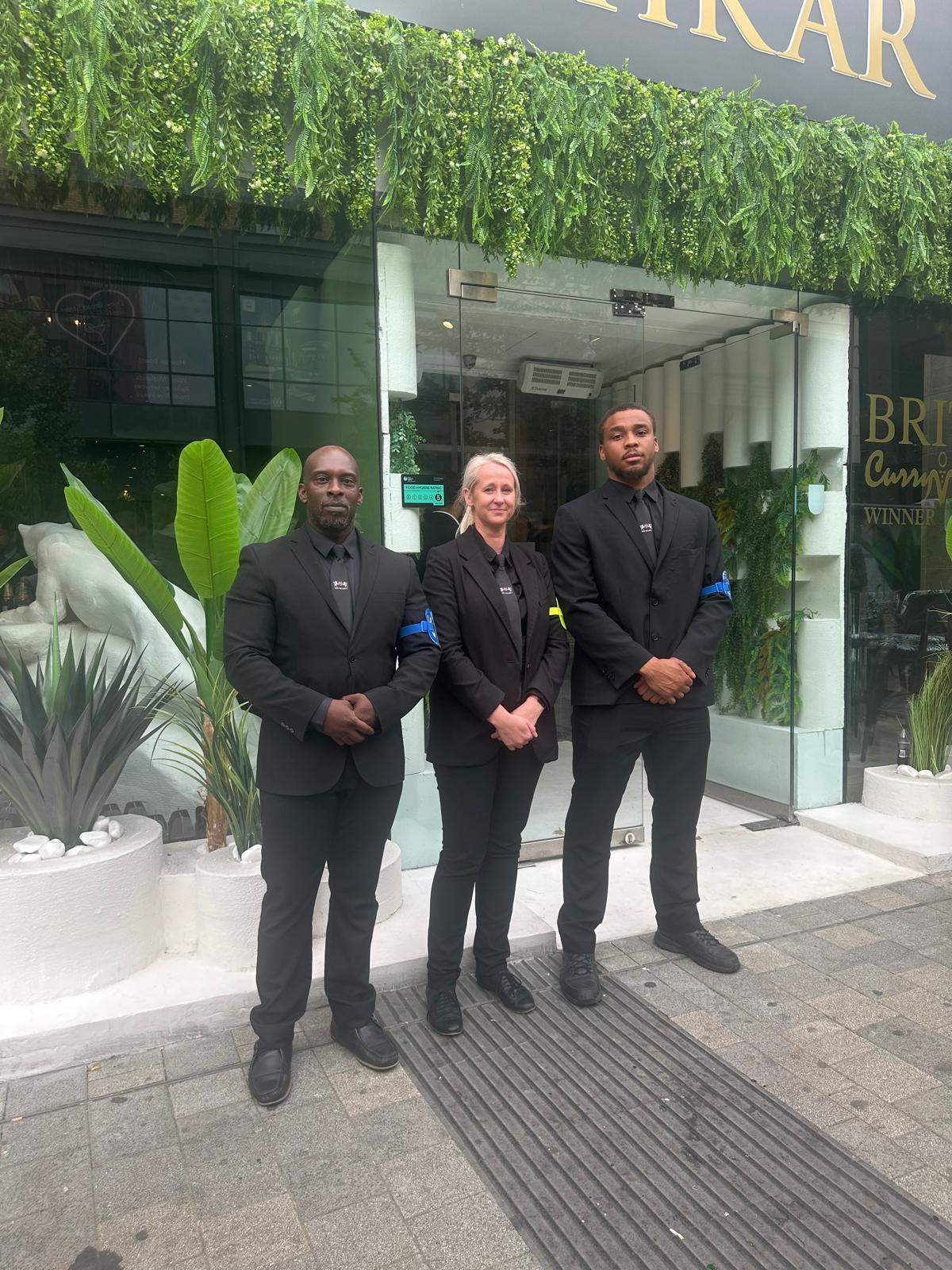
A construction security guard can do things a camera cannot. They can control the gate, check delivery drivers and paperwork, enforce sign in and induction rules, patrol inside the building as it rises, check that subcontractors have locked up, and spot a fire or a flood. They can also speak to people in person and deal with a problem as it happens.
The limits are cost, and that one officer can only be in one place at a time. On a large site, a guard without cameras will have blind spots.
CCTV towers vs guards: a straight comparison
Neither option is better in every case. Here is how they compare on the points that matter most to a site manager:
- Cost: towers are usually cheaper over a long period. Guards cost more but bring extra duties.
- Coverage: towers watch fixed areas continuously. Guards cover wherever they walk, including inside buildings.
- Response: monitored towers trigger a remote warning and a call out. Guards can act immediately on site.
- Access control: towers record who arrives. Guards stop, check and refuse.
- Deterrence: both deter. A visible guard and a lit tower with a speaker each make a site less attractive.
- Evidence: towers record footage. Guards write reports and can give witness statements.
- Setup: towers need power and signal. Guards need welfare facilities.
When CCTV towers make sense
Towers suit sites where the main risk is out of hours theft or trespass, there is good line of sight across the compound, and there is no need for someone to control the gate at night. They work well on dormant sites, on large open sites where one guard could not see everything, and for phases where the site is closed for long periods.
They are also useful alongside guards, covering the far side of the site while the officer stays near the gate.
When you need security guards
Guards make sense where you need gate and delivery control during working hours, where the site is next to a busy public area and there is a real risk of children or members of the public getting in, where high value materials are being delivered or fitted, or where the site has already had incidents that cameras did not prevent.
Some clients and insurers require a manned presence at certain stages, and some sites lack the signal or line of sight that towers need.
Using towers and guards together
The strongest arrangements combine both. A typical pattern is a gatehouse officer during working hours, monitored towers overnight with mobile patrols at random times and alarm response on call. When the risk rises, for example during fit out, over a long weekend or after a break in, a night guard can be added for a few weeks and then stood down again.
This lets you put money where the risk is, and adjust as the build changes.
Questions to ask before you hire either
Whichever way you go, ask:
- Who monitors the towers, and what do they do when they see something?
- How quickly can a camera position be changed when the layout changes?
- What happens if a tower loses power or signal?
- Are guards SIA licensed and vetted to BS 7858?
- Who checks on the guard through the night?
- What reports will we receive, and how often?
Data protection and signage for site cameras
Construction site CCTV still has to follow UK data protection law. Cameras should be positioned to cover the site, not neighbours’ gardens or windows, and signs should tell people that CCTV is in use and who operates it. Footage should be kept only as long as needed and handed over to police properly when there is an incident. The ICO publishes guidance for organisations using CCTV.
Contract operators who monitor CCTV to watch for intruders or identify people generally need an SIA public space surveillance licence. Ask your provider who watches the footage and whether they are licensed.
Construction site CCTV and guarding from KBG
KBG Security Solutions supplies temporary CCTV, construction security guards, mobile patrols and alarm response from our West Bromwich head office, with a 24 hour control room. We hold Constructionline Gold and CHAS Elite, and we are an SIA Approved Contractor for security guarding. Because we provide both cameras and guards, we can recommend the mix that suits your site rather than the one we happen to sell.
We will walk the site and give you a plan and a firm price after a free site survey. Call 0845 388 0348.